Ceramic Sealants, Explained: What They Do, What They Don’t, and Why They’re One of the Smartest Upgrades for Your Paint
Most cars don’t look “worn out” overnight. It happens slowly. Sun exposure, road film, brake dust, and everyday grime build up on the paint. Water dries on the surface and leaves minerals behind. After a while, the finish loses that crisp shine, and washing starts to feel like a chore.
A ceramic sealant helps stop that downhill slide. It adds a bonded, protective layer on top of your clear coat. That layer makes the paint slicker, helps water release easier, and reduces how strongly dirt sticks. The result is simple: your car stays cleaner longer, looks better between washes, and is easier to maintain.
What a ceramic sealant is
Your vehicle’s paint has a clear coat on top. That clear coat is what gives you gloss, and it’s also what takes the beating from the environment.
A ceramic sealant is a modern protectant that bonds to the clear coat and becomes the “buffer layer.” Instead of grime clinging directly to your paint, it clings to the sealant first. Instead of water sitting flat and drying into spots, it tends to bead up and run off more easily.
That change in surface behavior is the whole point. Less sticking means easier cleaning. Easier cleaning means less scrubbing. Less scrubbing means fewer swirls over time.
Ceramic sealant vs. ceramic coating
A ceramic sealant is designed to perform over a shorter window—usually measured in months. It’s ideal if you want stronger protection than wax, better gloss, and easier washes without committing to a full coating process.
A ceramic coating is a longer-term system that typically requires more prep and is built to last longer with proper maintenance. Sealants and coatings both have a place. A sealant is often the best fit for daily drivers because it delivers the benefits you’ll actually notice week to week.
What it helps protect against (and what it can’t)
Ceramic sealants help protect paint from the everyday stuff that slowly ruins finishes. That includes UV exposure, road film, pollution, and general grime buildup. They also make it easier to clean off bugs and bird droppings before they cause trouble.
But here’s the honest part: no sealant makes your car “damage-proof.” Bird droppings and tree sap are still acidic. If they sit and bake in the sun, they can still etch. The value of protection is that cleanup is faster and you usually have more time before permanent damage happens.
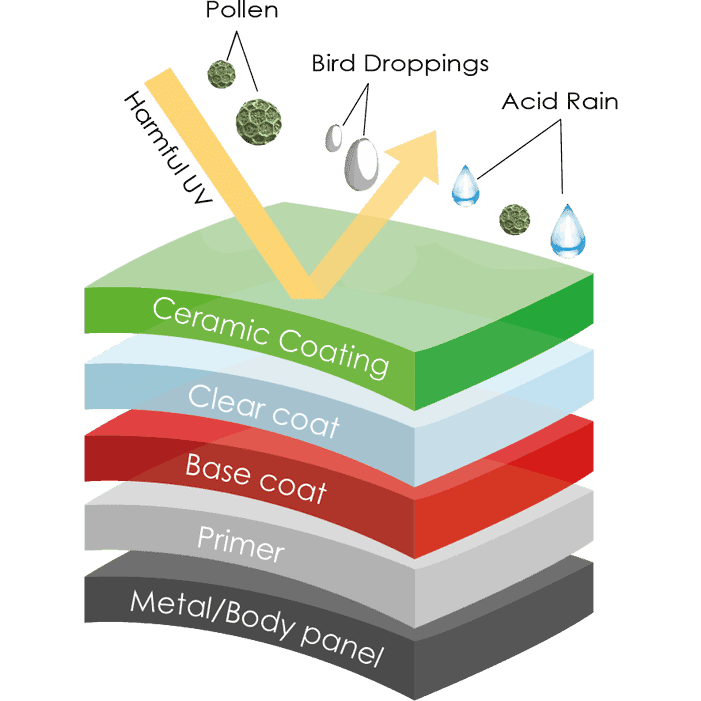
Your clear coat is the front line. A ceramic sealant adds a sacrificial layer that reduces bonding and makes upkeep easier.
Why prep matters more than the product name
If someone says “ceramic sealants don’t last,” the problem is often the surface, not the sealant.
A sealant needs clean paint to bond properly. If the paint still has embedded contamination, old residue, or oily film, protection won’t bond evenly. That leads to weaker performance and shorter lifespan.
Prop erapplication starts with making the paint ready. That means a thorough wash, decontamination, and surface prep so the sealant bonds to the clear coat—not whatever was sitting on top of it.
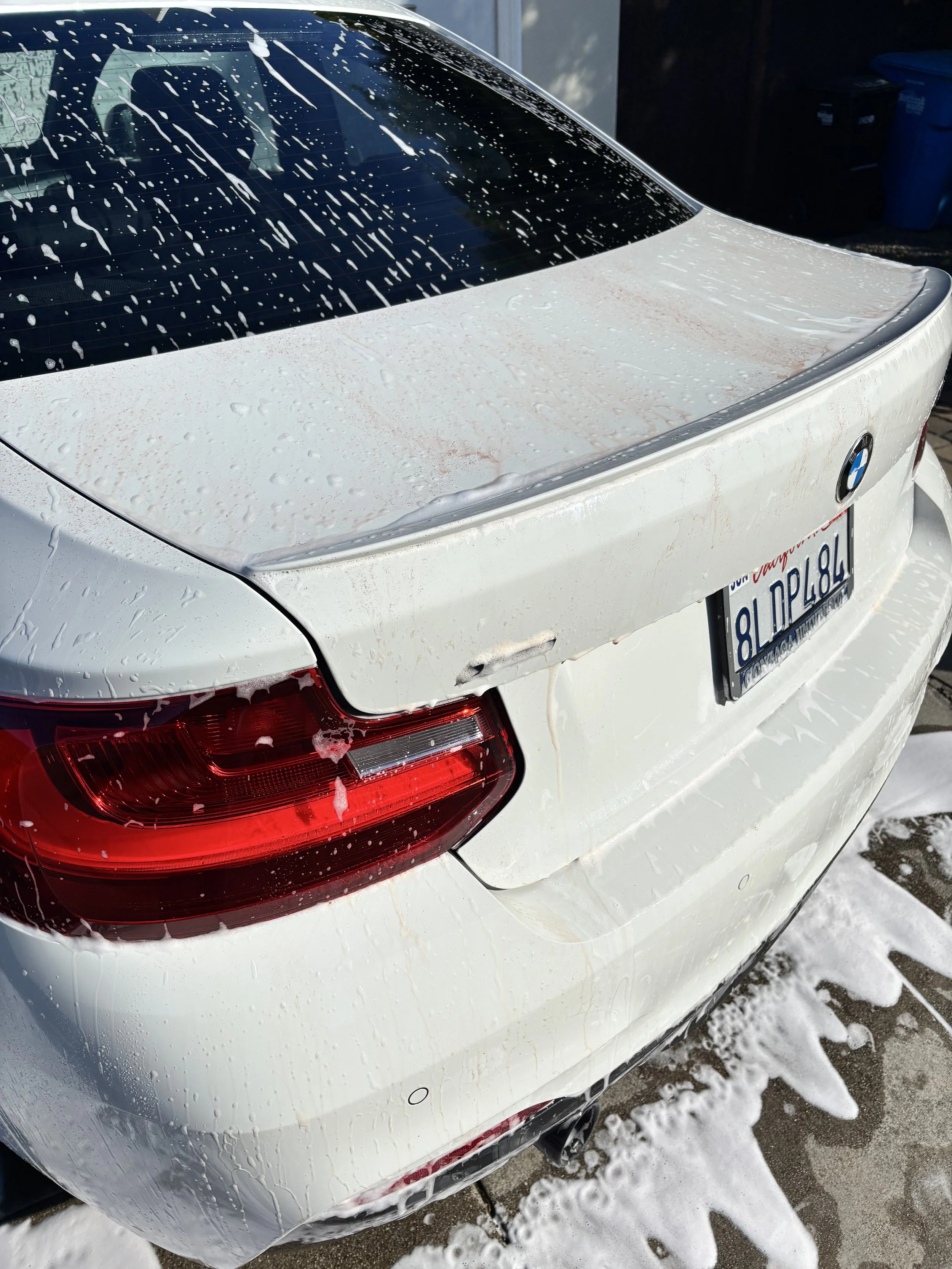
The purple reaction shows embedded iron contamination being removed from the paint during decontamination.
Choosing the right protection duration
Protection timelines aren’t random. They’re meant to match how a car is used.
If your car is parked outside, driven often, or sees a lot of freeway miles, longer protection usually makes sense. The finish is exposed to more contamination and more washing, so durability matters.
If your car is garaged or you mainly want seasonal protection, a shorter protection window can still be a strong choice and deliver a noticeable difference.
The best option is the one that matches your real life. Not the one that sounds best on paper.
How to make ceramic sealant last longer
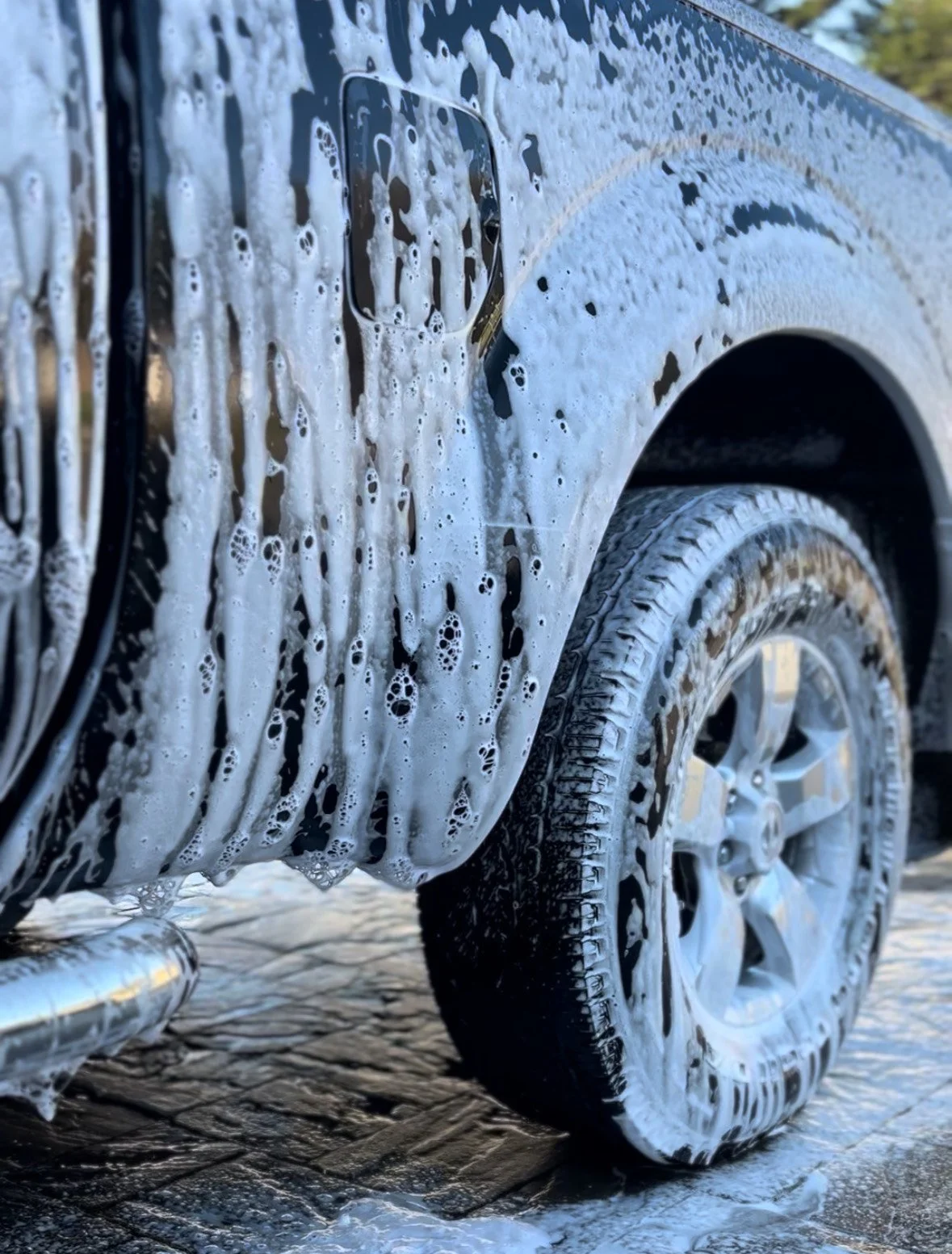
Protection lasts longer when you keep things simple and consistent. Gentle washing goes a long way. So does avoiding brush car washes, since they create scratches and wear down protection quickly.
The other big one is not letting contaminants sit too long. If bird droppings or sap land on the paint, removing them sooner is always safer. Protection helps, but time and heat still matter.
Common misconceptions
A ceramic sealant does not mean you can stop washing your car. It means washing is easier, faster, and less harsh on the paint.
Also, strong water beading is a good sign, but it’s not the only sign. Even when beading reduces a bit over time, the surface can still be protected and easier to clean.
Finally, sealants don’t remove swirls or scratches. They can improve gloss, but they don’t “fix” the paint. If the paint needs correction, that’s a separate step.
The bottom line
Ceramic sealants are one of the best value upgrades for paint protection. They help your car stay cleaner, make washes easier, and reduce the slow wear that kills shine over time. They aren’t invincible armor, but they do make ownership easier—and that’s what most people actually want.